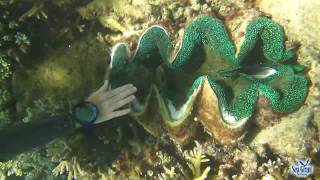
Media Summary: Did you know some microbes in the ocean can make their own food? Find out more with this episode of Do your teeth ever feel slimy? Anne Dekas of Stanford University explains what the connection is between that feeling and Earth's ... Have you ever thought about breathing something other than oxygen? Microbes can! Guest scientist Michael Graw, a graduate ...

15 Second Science Autotrophs - Detailed Analysis & Overview

Did you know some microbes in the ocean can make their own food? Find out more with this episode of Do your teeth ever feel slimy? Anne Dekas of Stanford University explains what the connection is between that feeling and Earth's ... Have you ever thought about breathing something other than oxygen? Microbes can! Guest scientist Michael Graw, a graduate ... Sulfur - it's what's for dinner? Perhaps if you're a deep sea microbe! Kiana Frank of the Pacific Biosciences Research Center ... Ever wonder where the oxygen that you breathe comes from? This episode of What's the future outlook for offshore wind energy, and how do scientists study it? grad student Samantha Bingaman ...

How do scientists study the ocean crust when it's so hard to access? Kecen Zhou, a masters student at Texas A&M University's ... What's one trick microbes use to live in high temperatures - such as areas around hydrothermal vents?  ... Scientists have had to come up with creative ways to study whales. One of the methods to gather data involves tagging the ... Sand dunes serve an important purpose - what is it? Learn about the problem that lost and abandoned crab pots can cause in this weeks' . Did you know that more than 6% of the world's oceans are considered marine protected areas by international governments?

Did you know scientists can use chemistry to understand how microbes thrive deep beneath the ocean floor? This is part of ... Did you know the ocean contains sulfate? Find out its role in marine sediments in this episode of Microbes in ocean sediments literally live between a rock and a hard place, but sometimes that can be a good thing. Ph.D. student ... Can shells help us tell history? They sure can when they are in marine sediments! This episode of One more guest starring a friend from VirginiaSeaGrant - this week Celia Cackowski explains the Gulf Stream ... Scientists have also learned about whales by listening to them. In this week's , Bob Rocha of the New Bedford ...

Photo Gallery

15 Second Science - Autotrophs
15 Second Science at AGU16 - Microbial mats and Earth's atmosphere
15 Second Science at AGU16 - Breathing methane
15 Second Science - Energy from Sulfur Compounds
15 Second Science - The air that you breathe
15 Second Science: Offshore wind
15 Second Science -  Ophiolites
15 Second Science - Microbes, heat, and DNA
15 Second Science — Whale Tagging
15 Second Science - Dune defenses
15 Second Science — Derelict Crab Pots
15 Second Science - Marine Protected Areas
Sponsored
Sponsored
View Detailed Profile
15 Second Science - Autotrophs

15 Second Science - Autotrophs

Did you know some microbes in the ocean can make their own food? Find out more with this episode of

15 Second Science at AGU16 - Microbial mats and Earth's atmosphere

15 Second Science at AGU16 - Microbial mats and Earth's atmosphere

Do your teeth ever feel slimy? Anne Dekas of Stanford University explains what the connection is between that feeling and Earth's ...

Sponsored
15 Second Science at AGU16 - Breathing methane

15 Second Science at AGU16 - Breathing methane

Have you ever thought about breathing something other than oxygen? Microbes can! Guest scientist Michael Graw, a graduate ...

15 Second Science - Energy from Sulfur Compounds

15 Second Science - Energy from Sulfur Compounds

Sulfur - it's what's for dinner? Perhaps if you're a deep sea microbe! Kiana Frank of the Pacific Biosciences Research Center ...

15 Second Science - The air that you breathe

15 Second Science - The air that you breathe

Ever wonder where the oxygen that you breathe comes from? This episode of

Sponsored
15 Second Science: Offshore wind

15 Second Science: Offshore wind

What's the future outlook for offshore wind energy, and how do scientists study it? #UDel grad student Samantha Bingaman ...

15 Second Science -  Ophiolites

15 Second Science - Ophiolites

How do scientists study the ocean crust when it's so hard to access? Kecen Zhou, a masters student at Texas A&M University's ...

15 Second Science - Microbes, heat, and DNA

15 Second Science - Microbes, heat, and DNA

What's one trick microbes use to live in high temperatures - such as areas around hydrothermal vents? #15SecondScience ...

15 Second Science — Whale Tagging

15 Second Science — Whale Tagging

Scientists have had to come up with creative ways to study whales. One of the methods to gather data involves tagging the ...

15 Second Science - Dune defenses

15 Second Science - Dune defenses

Sand dunes serve an important purpose - what is it?

15 Second Science — Derelict Crab Pots

15 Second Science — Derelict Crab Pots

Learn about the problem that lost and abandoned crab pots can cause in this weeks' #15SecondScience.

15 Second Science - Marine Protected Areas

15 Second Science - Marine Protected Areas

Did you know that more than 6% of the world's oceans are considered marine protected areas by international governments?

15 Second Science - Deep sea microbial chemistry

15 Second Science - Deep sea microbial chemistry

Did you know scientists can use chemistry to understand how microbes thrive deep beneath the ocean floor? This is part of ...

15 Second Science - 100th Episode - Fun water facts

15 Second Science - 100th Episode - Fun water facts

We're celebrating our 100th episode of

15 Second Science - Sulfate

15 Second Science - Sulfate

Did you know the ocean contains sulfate? Find out its role in marine sediments in this episode of

15 Second Science - Conducting Electricity in the Subsurface

15 Second Science - Conducting Electricity in the Subsurface

Microbes in ocean sediments literally live between a rock and a hard place, but sometimes that can be a good thing. Ph.D. student ...

15 Second Science — Sand Tiger Sharks

15 Second Science — Sand Tiger Sharks

Because female sand tiger sharks have

15 Second Science - Shells in sediment hold clues

15 Second Science - Shells in sediment hold clues

Can shells help us tell history? They sure can when they are in marine sediments! This episode of

15 Second Science   Gulf Stream

15 Second Science Gulf Stream

One more #15SecondScience guest starring a friend from VirginiaSeaGrant - this week Celia Cackowski explains the Gulf Stream ...

15 Second Science — Bioacoustics

15 Second Science — Bioacoustics

Scientists have also learned about whales by listening to them. In this week's #15SecondScience, Bob Rocha of the New Bedford ...